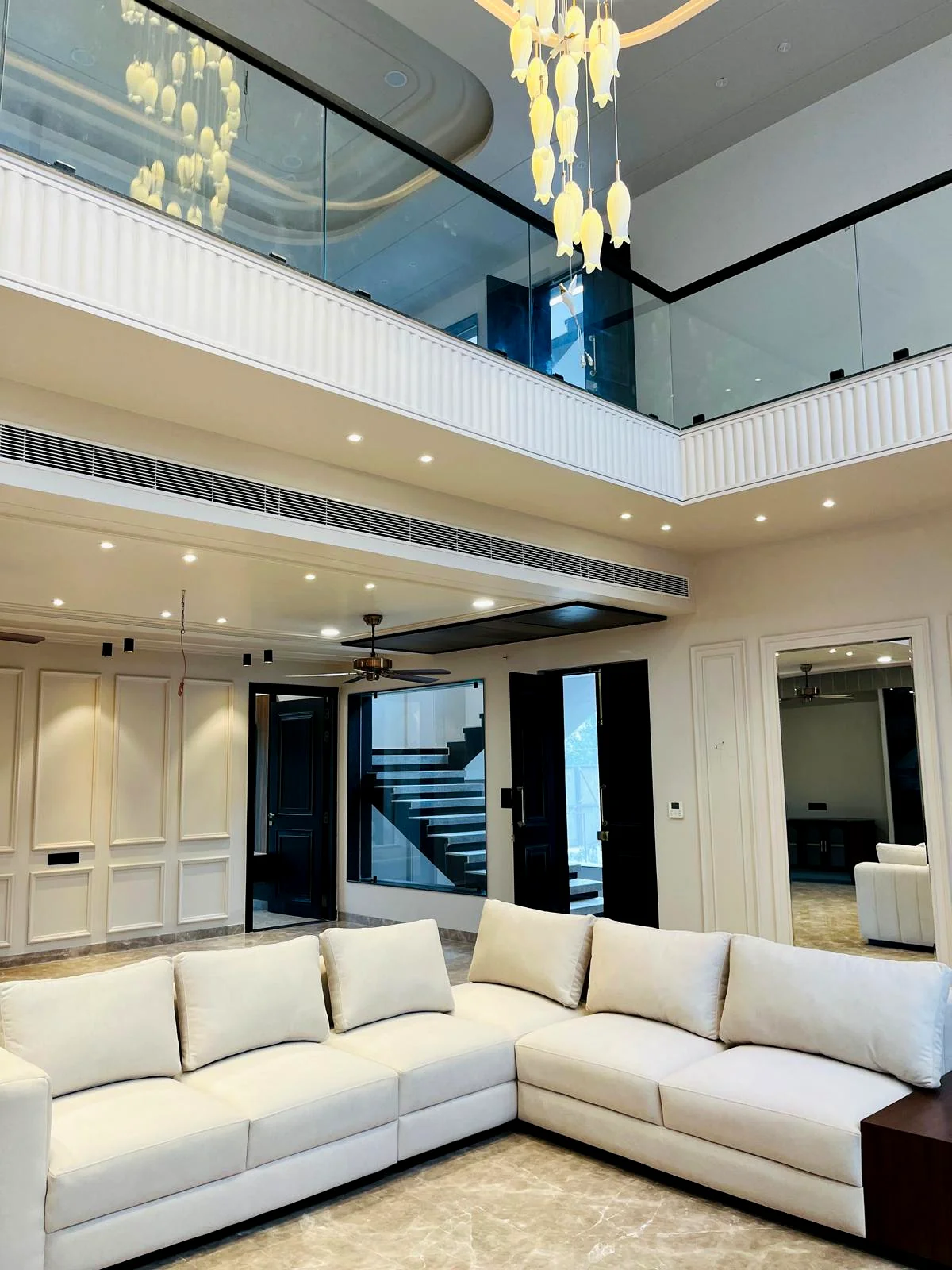
A home project involves design decisions, material procurement, structural construction, services, finishing and often interiors. When homeowners prefer one team to coordinate these stages, a turnkey model can reduce the number of separate vendors they need to manage.
What does turnkey construction actually include?
The word “turnkey” is sometimes used loosely. Before comparing quotations, confirm exactly which stages are covered. A complete scope may include planning, architectural coordination, structural work, material procurement, civil construction, MEP services, flooring, painting, selected interiors and handover.
Some items can remain outside the contract depending on the project, so the written inclusions and exclusions are more important than the label itself.
Why homeowners consider a turnkey model
What should a turnkey quotation explain?
A useful quotation should describe the scope, material specifications, labor, design responsibilities, procurement responsibilities, exclusions and the process for variations. If interiors are included, the level of interior work should also be defined rather than assumed.
| Section | What to confirm |
|---|---|
| Planning | Architectural drawings, revisions and approval responsibilities |
| Structure | Foundation/RCC/masonry scope and material standards |
| MEP | Electrical, plumbing and service inclusions |
| Finishing | Flooring, paint, doors, sanitary and other finishing specifications |
| Interiors | Kitchen, wardrobes, ceilings, units and decorative work—if included |
| Changes | How variations are approved, costed and added to the timeline |
Planning before execution reduces expensive rework
Interior and appliance planning can influence service points. For example, modular kitchen layout affects sockets, plumbing and lighting; wardrobes and TV units affect electrical placement; air-conditioning and false ceilings affect concealed services. Turnkey coordination is most valuable when these dependencies are discussed early.
Is turnkey construction always cheaper?
Not necessarily. The value of turnkey execution is primarily coordination and accountability. Cost depends on the covered area, design, material standards, site conditions and included finishes. Compare specifications and scope rather than assuming that a turnkey or non-turnkey label automatically means a lower price.
What can go wrong if the scope is vague?
- Homeowner assumes an item is included while the contractor considers it extra
- Material quality is discussed only verbally
- Interior details are decided too late
- Frequent changes disrupt procurement and timelines
- Handover expectations are not documented
How to choose a turnkey construction partner
Review completed work, ask for a detailed written scope, compare material specifications, understand the supervision system and clarify who will communicate progress. A company offering both construction and interiors may simplify coordination when those services are genuinely included and managed together.
SNH’s Building Construction Company in Lucknow page explains its wider RCC, MEP, finishing and turnkey coordination scope.
Frequently asked questions
Does turnkey mean everything is included automatically?
No. “Turnkey” describes an end-to-end approach, but the contract must still list exactly what is included and excluded.
Can interiors be part of a turnkey project?
Yes, if they are included in the agreed scope. Interior planning can be coordinated with construction to reduce later rework.
How should I compare two turnkey quotations?
Compare scope, material specifications, design responsibilities, exclusions, change rules and project management—not only the final price.
Define the turnkey scope before comparing the price.
Share your plot, approximate covered area and desired level of finishing to discuss an end-to-end construction approach.
This guide is written around practical construction, renovation and coordination considerations. Project specifications should always be confirmed for the actual site and agreed scope.